The mind games of gambling Understanding psychological triggers and decision-making dynamics
The Psychology of Risk in Gambling
The allure of gambling often stems from the inherent risk involved. Players are drawn to the thrill of uncertainty, which can activate emotional responses that are hardwired into our brains. This psychological pull can lead individuals to take risks they might otherwise avoid in everyday life, fueled by the excitement of potentially winning. The concept of risk tolerance varies from person to person, influenced by factors such as personality, experiences, and cognitive biases. To explore these aspects further, you can check site that offers valuable insights.

Understanding this psychological dynamic is crucial for both gamblers and those who seek to help them. Gamblers often engage in riskier behaviors under the illusion of control, believing that they can outsmart the odds. This cognitive distortion can lead to a pattern of behavior where the individual continues to gamble despite negative consequences. By recognizing these patterns, players can better manage their expectations and decisions at the casino.
The Role of Cognitive Biases
Cognitive biases significantly influence decision-making in gambling environments. One prominent bias is the illusion of control, where players believe they can influence outcomes in games of chance. This belief often leads to overconfidence and continued play, even when evidence suggests they are likely to lose. Such biases can skew perception, making it difficult for individuals to recognize the true nature of the odds stacked against them.
Another common cognitive bias is the gambler’s fallacy, where individuals assume that past outcomes will influence future results. For example, if a player has experienced several losses in a row, they may feel that a win is “due.” This flawed reasoning can perpetuate a cycle of chasing losses, often resulting in deeper financial and emotional distress. Awareness of these biases can empower individuals to make more rational decisions in high-stakes environments.
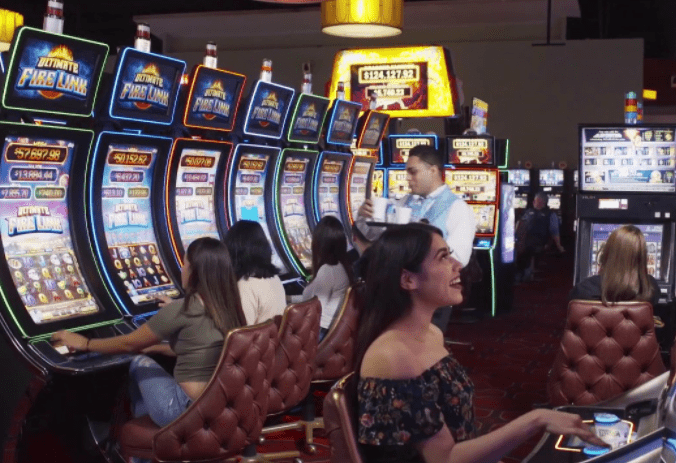
Social dynamics within gambling environments can also impact decision-making. The presence of peers can amplify emotions, creating a sense of camaraderie or competition that influences risk-taking behaviors. Understanding these environmental factors can help individuals navigate their gambling experiences more consciously, allowing for more intentional decision-making.
Your Guide to Understanding Gambling Psychology
“`